ABOUT
cardiff, wales
I like biology because it refuses to stay tidy.
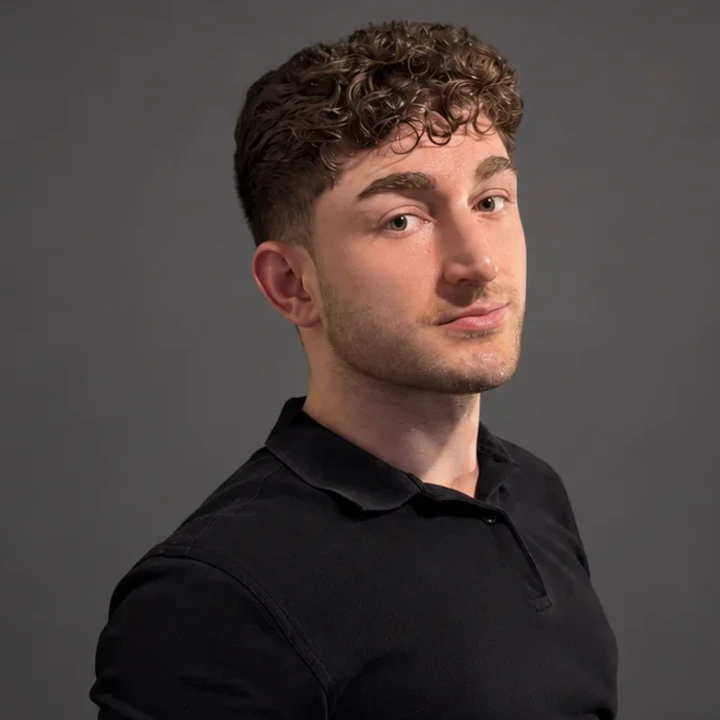
I’m Geraint Thomas, a biochemist and science writer based in South Wales.
I’m interested in the point where biological systems become difficult to reduce to one clean answer. You can understand the chemistry. You can understand the physics. Then you put those rules inside a living system and context starts changing the answer. Cells respond to stress, tissues adapt, signals overlap.
Right now, most of my work is focused on epidermal biology and skincare science. I research, write and build visual explanations around the questions that keep pulling me further into the subject.
I started with cells deciding whether to live or die.
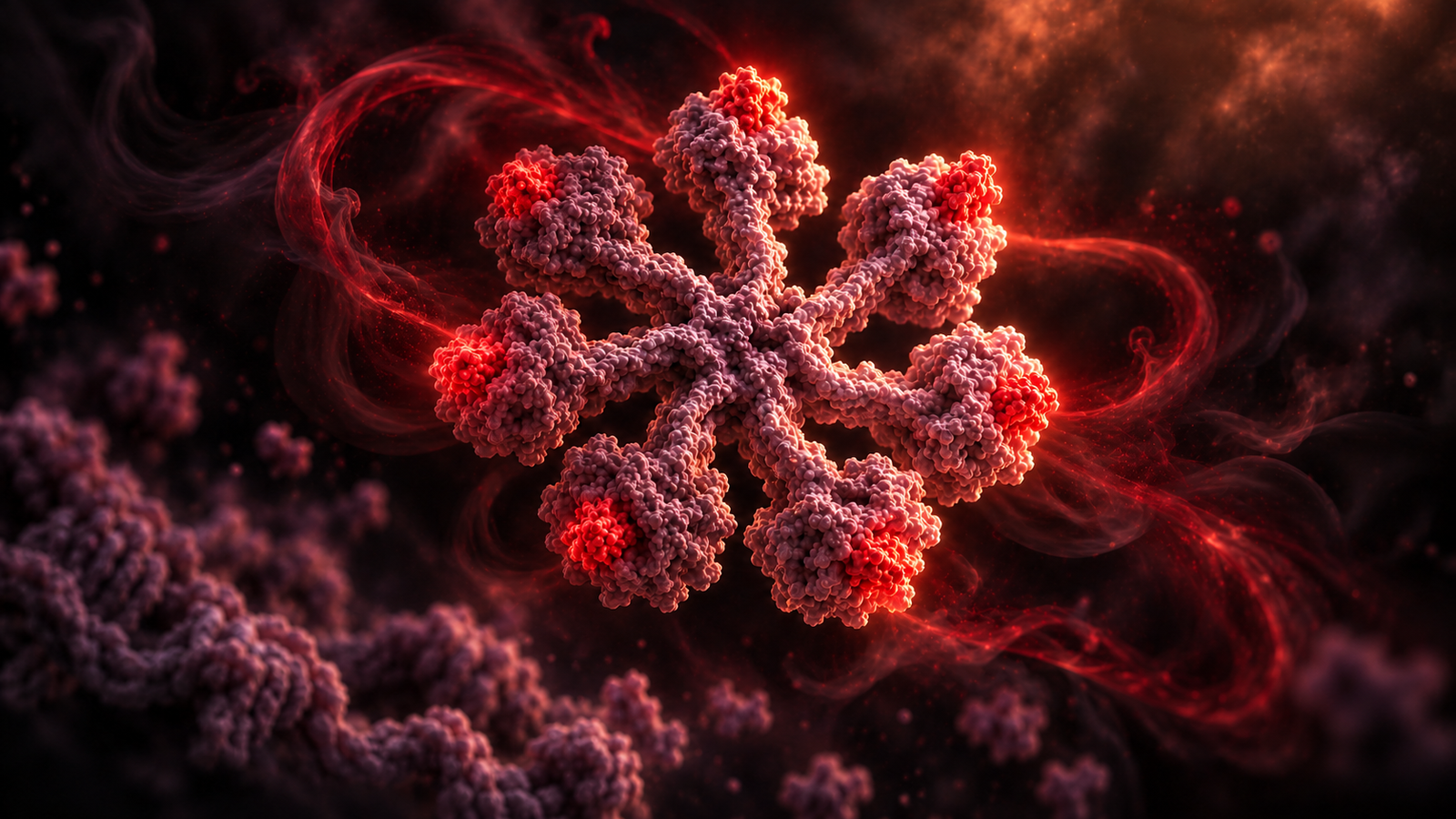
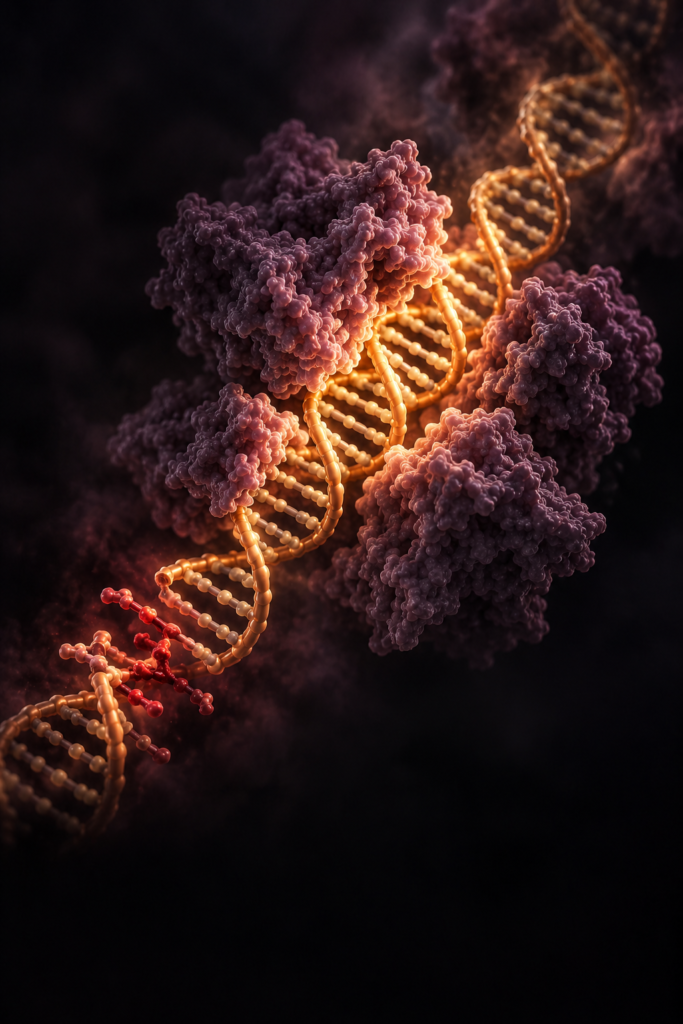
Apoptosome, conceptual illustration
I studied Biochemistry at Cardiff University and graduated with a First-Class integrated Master’s degree.
My research was in cancer cell biology at the European Cancer Stem Cell Research Institute, where I investigated death-receptor signalling and apoptosis resistance in breast cancer stem-like cell models. The proteins had different names and the biological stakes were rather different, but the part I enjoyed most was already the same.
Reading around a problem. Working out how one result implicated another. Writing it up in a way that made the argument hold together.
The reading and writing stayed with me.
Science stopped being my job for a while. It didn't stop following me around.
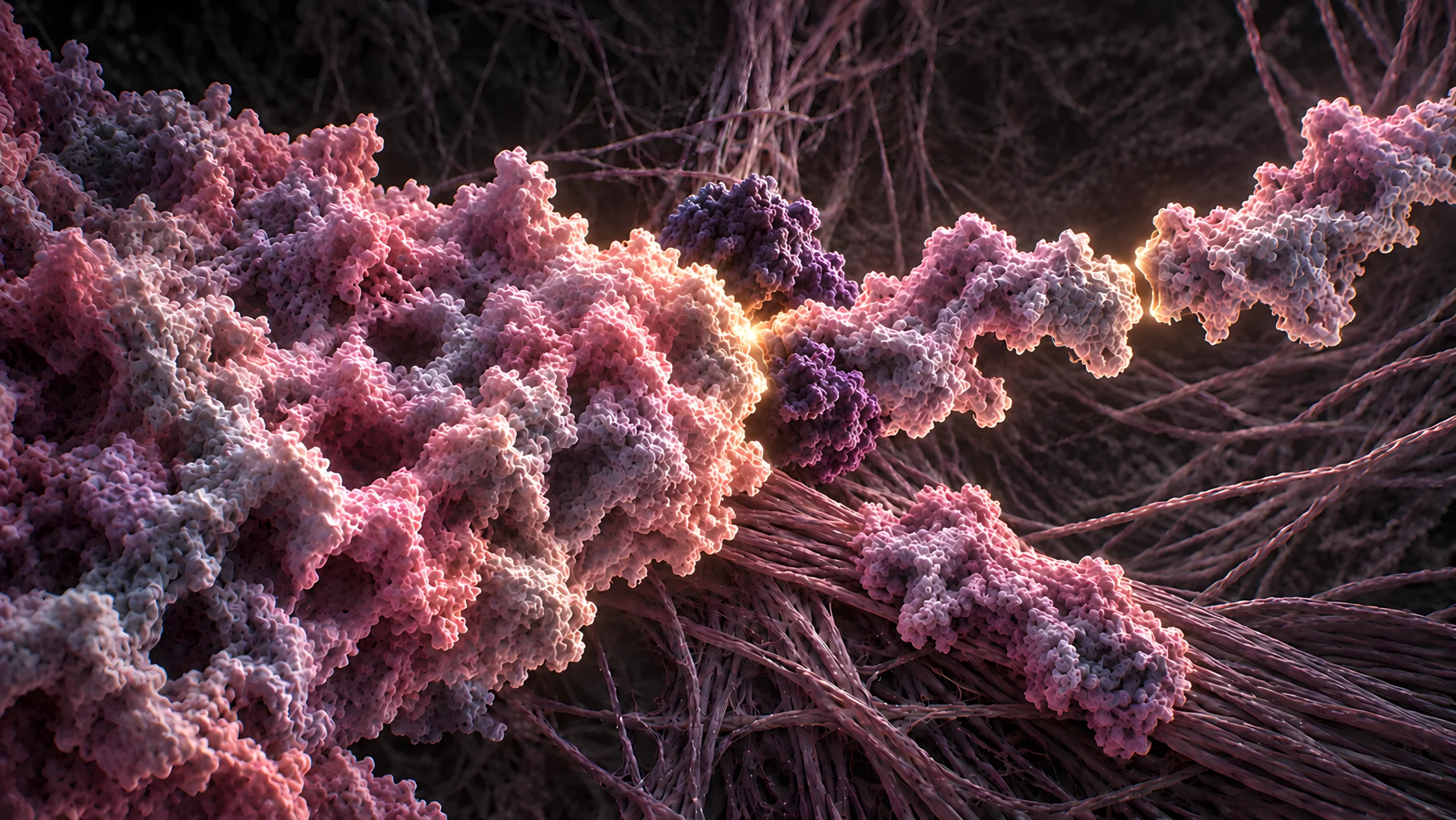
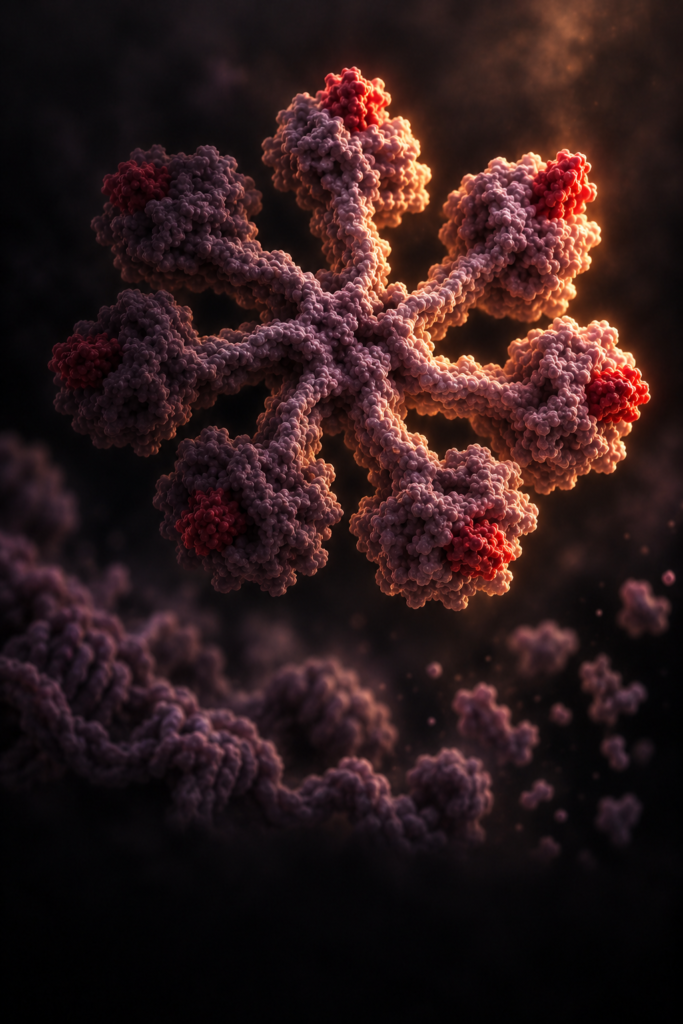
Immunology, conceptual illustration
I spent several years working outside science after university.
Food is difficult to see as just food once you have spent enough time learning metabolism. Exercise becomes adaptation, substrate use, signalling and recovery. If I get ill, part of my brain is usually wondering what the immune system has decided to activate and whether a dendritic cell is involved somewhere, which is probably information most people manage perfectly fine without.
I’ve always liked biology for that reason. You can apply it before you’ve properly woken up in the morning.
It also makes explanation worth the effort. It can change how they think about food, sleep, illness, exercise, skin or whatever sent them asking the question in the first place.

To me, there isn’t much pleasure in knowing something just so you can prove that you know it.
03 skin
Twelve months ago, I couldn't have named the layers of the epidermis.
I vaguely remembered retinoic acid from university, and it certainly wasn’t one of the subjects I had been waiting eight years to revisit. Then my own skincare became increasingly difficult to make sense of.
The routine got more complicated. My skin became less predictable. Tightness, oiliness, breakouts and stinging started being treated as separate problems, which meant each one invited another answer.
Eventually I stopped adding products and started reading papers.
At first I was trying to understand my own skin. That didn’t last very long.
Once I got into the epidermis, the subject started opening in every direction: differentiation, lipid processing, acidity, calcium gradients, proteases, corneodesmosomes, microbiome ecology, inflammatory signalling. The problem had stopped being skincare. I was interested in the biology.
And then I met filaggrin.
ONE PROTEIN, MANY QUESTIONS
It started because I couldn't pronounce it.
I looked up the pronunciation, which should have taken about thirty seconds.
Instead I started reading.
Filaggrin begins life helping to organise keratin inside the differentiating cell, then gets broken apart as that cell migrates toward the surface. Its components go on to contribute to hydration, acidity and the chemical environment of the stratum corneum.
The whole process immediately felt sacrificial to me. That isn’t a scientific description of filaggrin, obviously. Proteins have yet to demonstrate a sense of duty. But as a way of holding the sequence in my head, it worked: a molecule helps build the cell, then gives itself up and its fragments become useful elsewhere.
That’s how I first get hold of complicated biology. I build a picture that makes sense, then go back through the technical detail until I know where the picture works and where it starts cheating.
Filaggrin sent me further into the literature and it never really stopped.
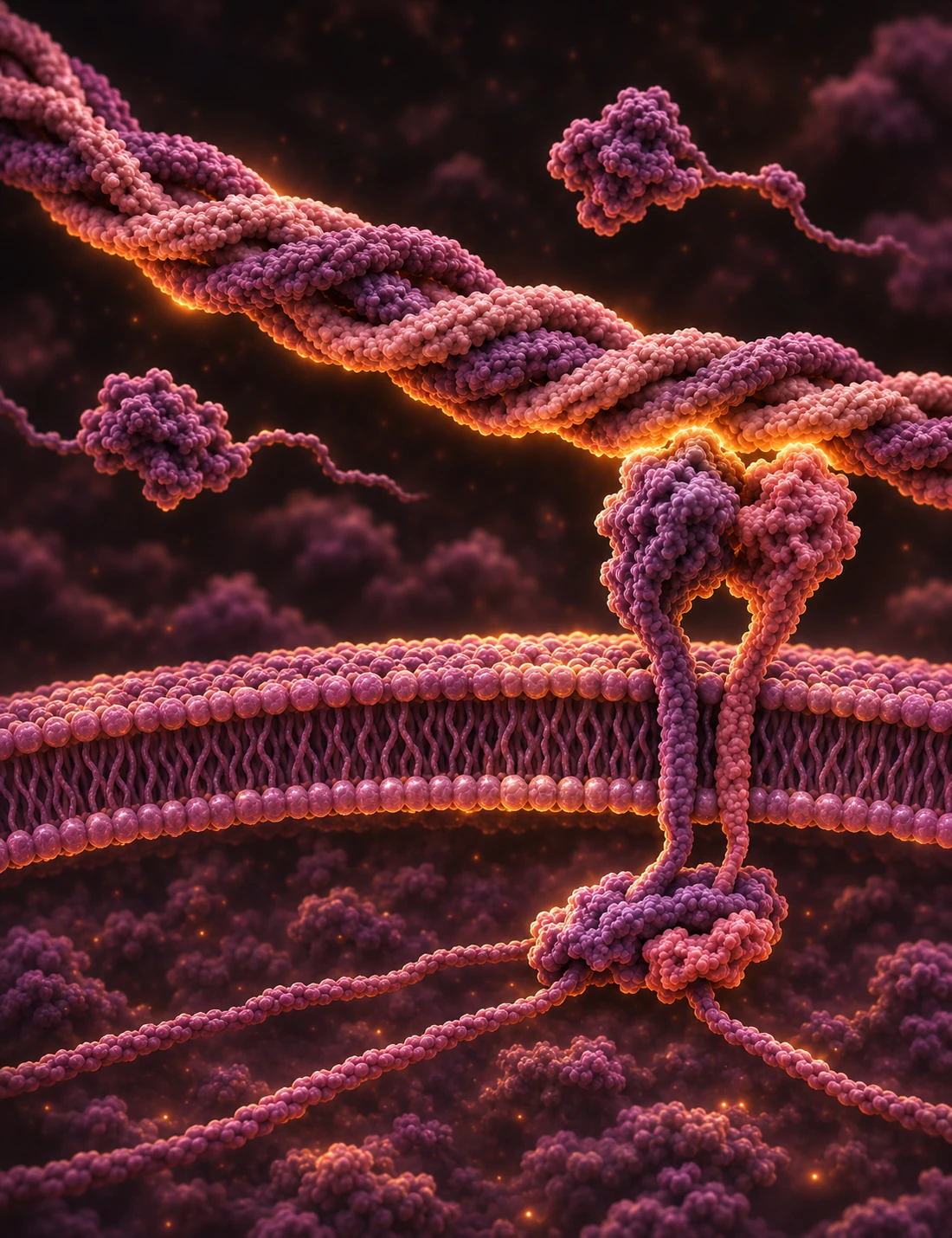
filaggrin, molecular rendering (illustrative)
The reserve
Cells in the granular layer make profilaggrin, one large precursor with roughly 10 to 12 filaggrin repeats, and store it in keratohyalin granules.
A change of form
As the cell cornifies, the precursor is dephosphorylated and cut into filaggrin units, which bind keratin filaments.
Letting go
Arginines are deiminated, the grip on keratin loosens, and proteases break filaggrin into peptides and free amino acids.
What remains
The fragments feed natural moisturising factor, including PCA and UCA. How much each route matters in human skin is still being argued.
Most of this comes from cells, animals and reconstructed skin, so I treat it as a working picture rather than a finished map.
Read the deep dive →04 EXPLAINING SCIENCE
I tend to explain biology in waves.
First I give somebody the basic version, something they can hold onto while the terminology is still unfamiliar.
Then we go into the mechanism. Proteins get their proper names. Pathways appear. The explanation becomes more technical because at some point the technical detail is the explanation.
Then I come back to the starting idea. The second time around, that simple version makes more sense because you can start connecting the dots.
I do the same thing with ordinary analogies. I've described the body as a furnace when explaining metabolism because people already understand that fuel is broken down and energy is released as heat. Once that picture is there, you can start adding the biology, and start explaining where the analogy stops working.
That back-and-forth is probably the closest thing I have to a method.
05 THE WORK
One question got considerably larger.
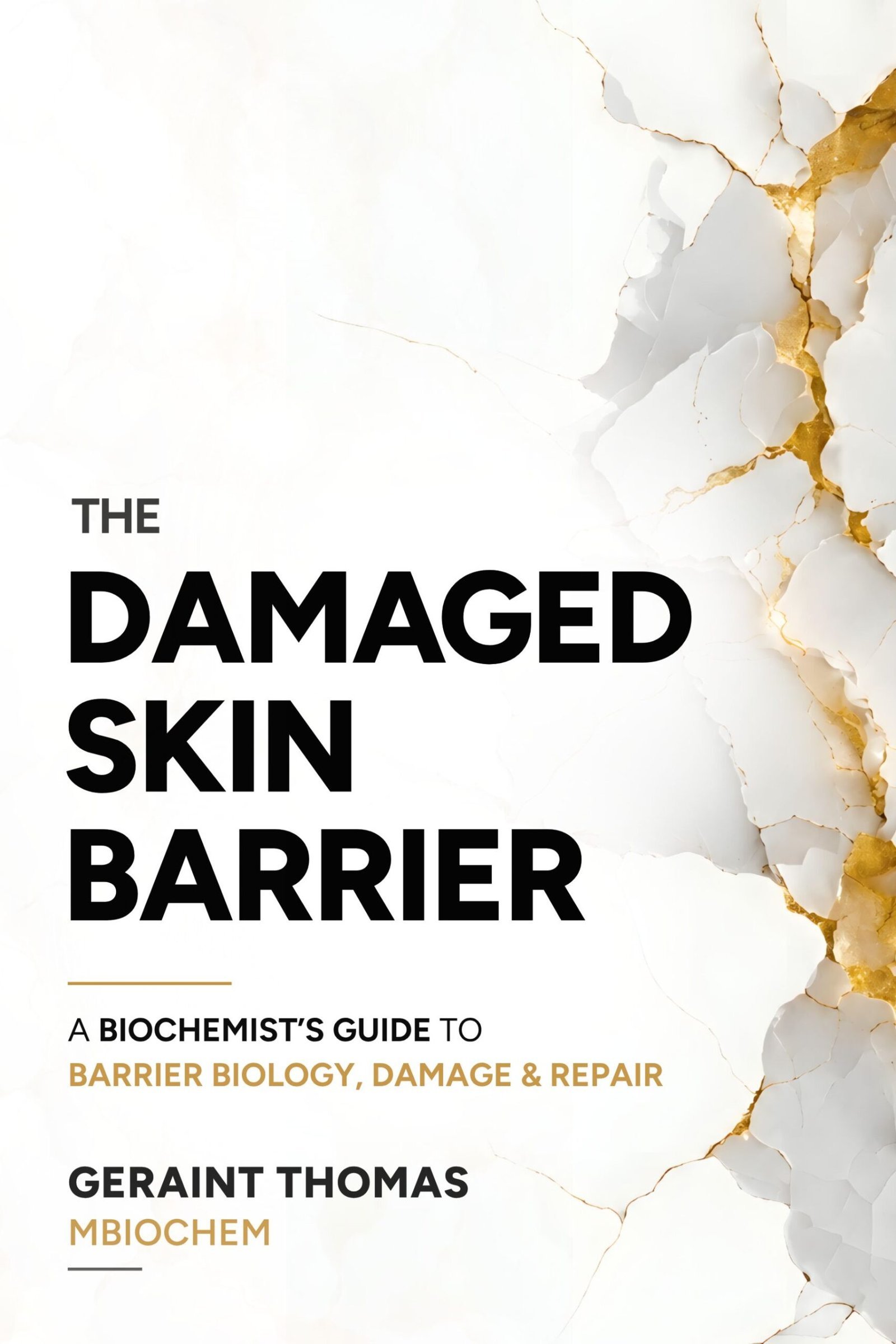
The reading eventually became The Damaged Skin Barrier. What began as an attempt to understand a changing skincare response grew into a 260-page book covering barrier structure, biochemical regulation, cumulative pressure, recovery and newer interventions.
The framework that emerged was:
Structure. Regulation. Pressure.
I produced the figures myself and built Lucidum Press to give it a proper home. None of that was the plan when I first started reading about skin. I think that is part of why I enjoyed making it.
01 / STRUCTURE
What is it made of?
Corneocytes, organised lipids and the adhesive structures that hold the sheet together.
02 / REGULATION
How is it regulated?
Surface pH, enzyme activity and a calcium gradient coordinate renewal.
03 / PRESSURE
What pushes it out of balance?
Cleansing, actives, friction, UV and hard water, accumulating on one tissue.
04 / RECOVERY
What does recovery involve?
Feeling better can arrive before the structure is rebuilt.
06 AFTER THE BOOK
The book finished. I kept reading.
This site grew alongside it.
Some questions are narrow enough for one article. What does TEWL actually measure? Why can a cleanser feel gentle and still alter the barrier? What does a cell study tell you about something applied to intact human skin?
A question about skin can end up in immunology, microbiology, biophysics or environmental chemistry before it returns. That movement between fields is one of the things I enjoy most.
I also care about context, particularly where consumer language has borrowed language from medicine. A cosmetically irritated barrier and a diagnosed inflammatory skin disease are not interchangeable. They may share aspects of their biology, but context governs outcomes. The terminology changes how people understand what is happening to them, so I think it deserves to be handled with care.
Most of what I publish here starts with curiosity rather than a content schedule. The question has to be interesting enough to follow.
NOW · SKIN BIOLOGY
NEXT
I don't expect the subject list to stay still.

Oncology
Where I started, and what hasn’t left.

Immunology
An expansion from where I started.

Death pathways
How a cell decides to die, and what happens when it won’t.

Tissue homeostasis
How a tissue holds its balance: differentiation, renewal and cell death.

Cell signalling
How cells hear each other, and what they do about it.
ALWAYS
A few fixed points.
education
MBiochem, First Class
Cardiff University
research
European Cancer Stem Cell Research Institute
Death-receptor signalling and apoptosis resistance in breast cancer stem-like cells
author
The Damaged Skin Barrier
Lucidum Press, 2026
publishing
Founder
Geraint Thomas Bio · Lucidum Press
07 still curious
I'm still following the interesting bits.
I don’t know whether I’ll still be writing about skin in five years.
What I do know is that I’ll probably still be reading something too complicated and explaining it to somebody else once they finally click.
That part has been pretty consistent.
Conversations
I’m open to talk science communication, research and writing roles, as well as talks, collaborations and media comment.